

6 Signs Your Dog or Cat Needs Urgent Vet Care
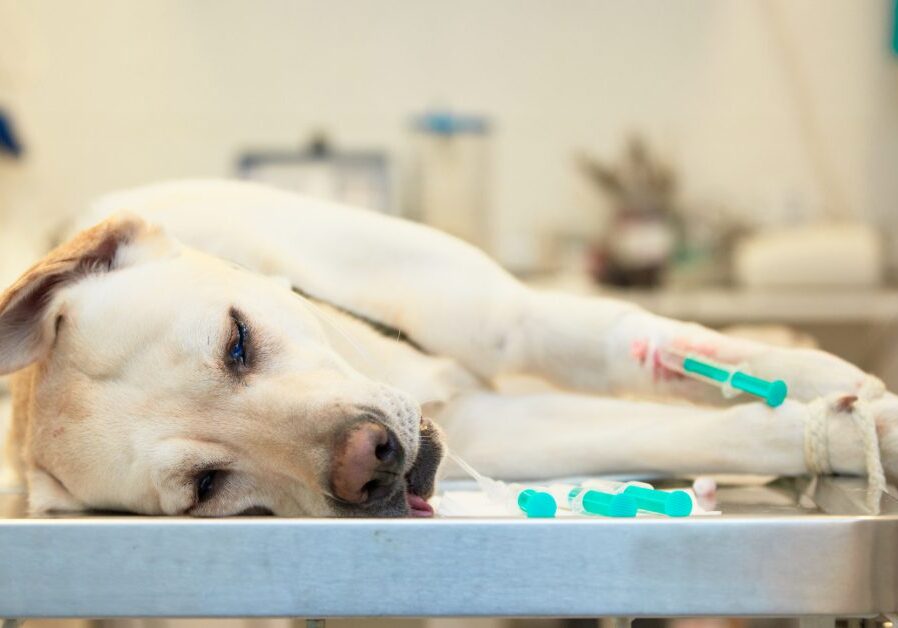
A normal day with your pet can shift quickly. One moment they’re playing, eating, or resting comfortably, and the next something feels off. Many pet owners pause and wonder: Is this serious enough to call the vet right now? Understanding the signs that point to urgent vet care can help you act with confidence when timing matters most. Some symptoms signal underlying conditions that need immediate attention to prevent complications or worsening health. Below, we’ll walk through six key warning signs to watch for and explain when it’s time to contact a veterinary team right away. If you’re in the Huntington Beach area and notice any of these changes, call Cali’s Cottage Veterinary Hospital at (714) 846-1378 for prompt care.
Difficulty Breathing or Persistent Coughing
Breathing changes are one of the clearest indicators that your pet may need urgent vet care. Dogs and cats should breathe comfortably and quietly when at rest, with no visible effort or distress. If you notice rapid breathing, wheezing, open-mouth breathing in cats, or exaggerated chest movement, these are signs that something is not functioning normally. Even a persistent cough can point to conditions affecting the lungs, heart, or airways, which can escalate without timely evaluation.
Pets experiencing significant breathing issues may also appear restless, unable to settle, or reluctant to lie down. In some cases, gums may appear pale or bluish, which can signal reduced oxygen levels. These symptoms can be associated with conditions such as respiratory infections, heart disease, allergic reactions, or airway obstructions. Because oxygen delivery is essential to every organ in the body, delays in care can quickly become dangerous. With significant difficulty breathing, oxygen supplementation is needed. It’s vital to get to the ER as soon as possible if your pet collapses, experiences a loss of consciousness or abnormal gum color, especially if paired with lethargy. This is best handled at the ER, especially if there is a sudden onset of any of the symptoms mentioned.
What Pet Owners Often Ask
Many pet owners search for answers like “When is heavy breathing in dogs an emergency?” or “Why is my cat breathing fast while resting?” The answer often depends on context, but any sudden or unexplained breathing change should prompt immediate attention. If your pet’s breathing looks labored or unusual, it’s time to seek urgent vet care at Cali’s Cottage Veterinary Hospital.
Vomiting, Diarrhea, or Signs of Dehydration
Occasional digestive upset can happen, but repeated vomiting or diarrhea raises concern. When these symptoms occur frequently, last more than a day, or include blood, they can indicate infections, toxins, or underlying medical conditions that require urgent vet care. Pets can lose fluids quickly, especially smaller dogs and cats, making dehydration a serious risk.
You may also notice lethargy, loss of appetite, or a noticeable decline in energy alongside gastrointestinal symptoms. Dehydration can show up as dry gums, sunken eyes, or decreased skin elasticity. These signs suggest that your pet’s body is struggling to maintain normal hydration and electrolyte balance.
Why Timing Matters
Many pet owners wonder, “How long is too long for vomiting in pets?” While mild cases may resolve, persistent symptoms should not be ignored. Early intervention allows veterinary teams to stabilize hydration and identify the underlying cause before complications develop.
Sudden Changes in Behavior or Energy Levels
Pets thrive on routine, so sudden shifts in behavior often signal that something is wrong. A normally active dog that becomes withdrawn or a social cat that suddenly hides may be experiencing discomfort or illness. Changes in energy levels, such as extreme lethargy or restlessness, can also indicate that urgent vet care is needed.
Behavioral changes can stem from pain, neurological conditions, infections, or internal issues that are not immediately visible. Some pets may become unusually aggressive or irritable when they are not feeling well, while others may seem disoriented or confused.
Subtle Signs That Matter
Pet owners often ask, “Is my pet just tired, or is something wrong?” The key lies in the suddenness and severity of the change. If your pet’s personality or activity level shifts noticeably without explanation, it’s worth contacting a veterinarian for guidance.
Difficulty Walking, Limping, or Signs of Pain
Mobility issues are another strong indicator that your pet may need urgent vet care. Limping, reluctance to move, or difficulty standing can point to injuries, joint problems, or neurological conditions. Pain can also present in less obvious ways, such as panting, whining, or avoiding touch. Some pets may try to hide their discomfort, especially cats, which makes it important to watch for subtle changes. A pet that hesitates before jumping, avoids stairs, or struggles to get comfortable may be dealing with pain that requires evaluation.
Recognizing Pain in Pets
Many pet owners wonder how to tell if their dog is in pain or about signs of pain in cats. While every pet responds differently, consistent changes in movement or posture should not be overlooked. Prompt assessment can help identify the cause and prevent further injury.
Pale Gums, Bleeding, or Signs of Trauma
Healthy gums in dogs and cats are typically pink and moist. Pale, white, or bluish gums can indicate serious issues such as blood loss, shock, or oxygen deprivation. Any visible bleeding, whether external or from the nose, mouth, or rectum, also requires immediate attention. Trauma from accidents, falls, or unknown injuries can lead to internal complications that are not always obvious at first. Even if your pet appears stable, underlying damage may still be present. Monitoring gum color and watching for signs of weakness or collapse can provide important clues.
Seizures, Collapse, or Loss of Consciousness
Few situations feel as alarming as seeing your pet experience a seizure or collapse. These events can happen suddenly and may be linked to neurological conditions, toxin exposure, metabolic imbalances, or underlying disease. Even a single episode warrants prompt evaluation.
During a seizure, pets may lose control of their body, paddle their limbs, or appear unresponsive. Afterward, they may seem disoriented or fatigued. Collapse or fainting can also signal heart-related issues or other serious concerns that require urgent vet care.
Common Questions Pet Owners Have
Searches like “what causes seizures in dogs?” or “why did my cat suddenly collapse?” reflect how unsettling these events can be. While causes vary, the need for timely veterinary assessment remains the same. Early evaluation helps determine the cause and guide next steps.
When to Contact Cali’s Cottage Veterinary Hospital
Recognizing these six signs can help you make informed decisions when your pet’s health changes unexpectedly. Urgent vet care focuses on identifying serious conditions early and providing timely support to stabilize your pet. Even when symptoms seem mild at first, patterns or sudden changes can signal something more significant.
If you’re in Huntington Beach, CA, and notice any of these warning signs, contact Cali’s Cottage Veterinary Hospital at (714) 846-1378. Our team is here to evaluate your pet’s condition, answer your questions, and guide you through the next steps with clarity and care. Taking action when something feels off can make a meaningful difference in your pet’s health and recovery.
About Us
At Cali’s Cottage Veterinary Hospital in Huntington Beach, CA, we offer warm, personalized care that feels more like visiting a friend than a trip to the vet. From routine checkups to more emotional moments, our team is here to listen, support, and celebrate every step of your pet’s journey with you.