

Pet Vaccines in Huntington Beach: A Complete Guide for Dogs & Cats
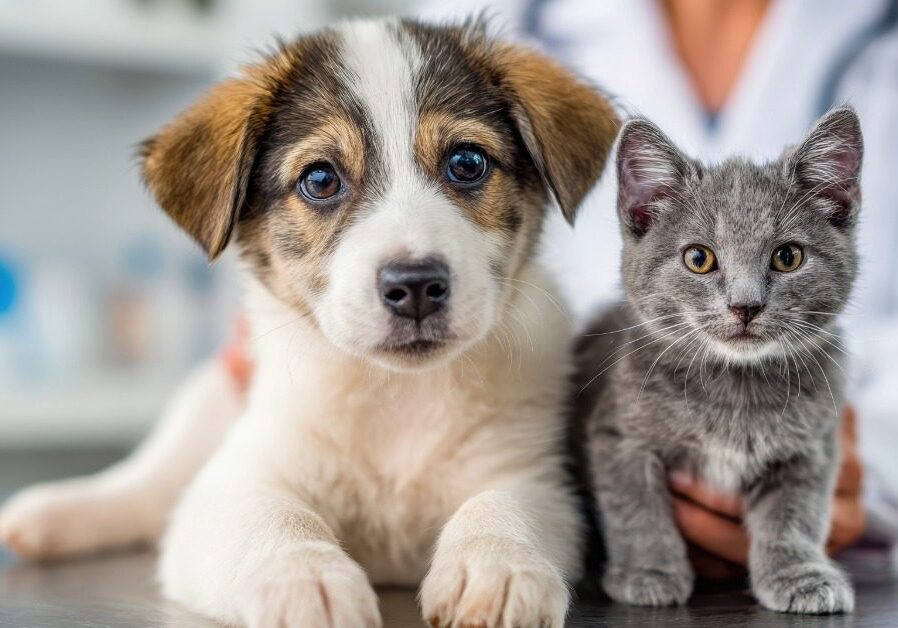
Vaccines are one of the most important ways to protect your dog or cat from serious disease, but not every pet needs the exact same plan. At Cali’s Cottage, we take a personalized, low-stress approach to vaccination so your pet receives the protection they need without unnecessary treatments.
This guide walks through how vaccines work, which ones are considered core, which are non-core, and how to decide what’s right for your pet. For pet owners in Huntington Beach and surrounding areas, factors like local wildlife, outdoor exposure, and social environments can also influence which vaccines are recommended.
Why Vaccines Matter
Vaccines protect against diseases that are often severe, highly contagious, and in some cases, fatal. Many of these illnesses are still present in Southern California, even if they are not always visible day-to-day.
Vaccination helps protect your individual pet, reduce spread in the community, and prevent avoidable emergencies. Some vaccines, like rabies, are also required by law due to the risk to public health.
Core Vaccines for Dogs
Core vaccines are recommended for most dogs regardless of lifestyle.
Rabies
Rabies is a fatal virus that affects the nervous system and can be transmitted to humans. Vaccination is required by law in California.
Distemper, Adenovirus, and Parvovirus (DA2PP)
These viruses are widespread and highly contagious. They can affect the respiratory system, gastrointestinal tract, and other organs, and are especially dangerous in puppies and unvaccinated dogs.
Leptospirosis
Leptospirosis is a bacterial infection spread through contaminated water, soil, and wildlife exposure. It can cause serious kidney and liver damage and can be transmitted to humans. Due to increasing prevalence on the West Coast, it is now commonly recommended as a core vaccine.
👉 Learn how vaccine plans are tailored to your pet:
[Which Vaccines Does My Dog or Cat Actually Need?]
Core Vaccines for Cats
Cats also require protection against several common and potentially serious diseases.
Rabies
Rabies vaccination is required by law and protects against a fatal disease that can affect both pets and humans.
FVRCP (Feline Viral Rhinotracheitis, Calicivirus, and Panleukopenia)
This vaccine protects against common viral infections that can cause respiratory disease, oral inflammation, and severe illness. These viruses are easily spread, even in indoor environments.
👉 Learn how vaccine plans are tailored to your cat:
[Which Vaccines Does My Dog or Cat Actually Need?]
Non-Core Vaccines (Lifestyle-Based)
Non-core vaccines are recommended based on your pet’s lifestyle and exposure risk.
Bordetella (Kennel Cough)
Bordetella is a highly contagious respiratory infection that spreads easily in social environments like boarding, grooming, daycare, and dog parks. It typically causes a persistent cough and is often required for boarding.
Canine Influenza
Canine influenza is a contagious respiratory virus that spreads in areas where dogs have close contact with one another. Symptoms can range from mild coughing to more serious respiratory illness.
Feline Leukemia (FeLV)
Feline leukemia is a viral disease that suppresses the immune system and can lead to long-term illness. It is most relevant for kittens and cats with outdoor exposure or contact with other cats.
👉 Have concerns about safety or side effects?
[Are Vaccines Safe for Dogs and Cats?]
How Often Do Pets Need Vaccines?
Not all vaccines are given yearly. Some provide protection for multiple years, while others are given more frequently depending on your pet’s lifestyle and risk.
Young pets require an initial vaccine series to build immunity, while adult pets transition to longer intervals after that series is complete.
👉 See a simple breakdown:
[How Often Do Pets Really Need Vaccines?]
Indoor Cats and Vaccine Needs
Many cat owners assume indoor cats don’t need vaccines, but that’s not always the case. Even indoor pets can be exposed to disease through unexpected situations.
👉 Learn more:
[Do Indoor Cats Really Need Vaccines?]
What If My Pet Is Behind on Vaccines?
If your pet has missed vaccines, you usually don’t need to start over. Plans can be adjusted safely based on history and current risk.
👉 Learn what to do next:
[What Happens If My Pet Misses Vaccines?]
Vaccine Safety
Most pets tolerate vaccines very well. Mild side effects like temporary soreness or low energy can occur, but serious reactions are rare. At Cali’s Cottage, we focus on safe, thoughtful vaccination protocols and a calm, low-stress experience for every pet.
👉 Read more:
[Are Vaccines Safe for Dogs and Cats?]
Our Approach at Cali’s Cottage
We believe vaccination should never feel rushed or one-size-fits-all.
Our goal is to understand your pet’s lifestyle, recommend only what is appropriate, and provide care in a calm, comfortable environment where you feel informed and supported.
If you’d like help creating a vaccine plan for your dog or cat, we’re always happy to talk it through.
About Us
At Cali’s Cottage Veterinary Hospital in Huntington Beach, CA, we offer warm, personalized care that feels more like visiting a friend than a trip to the vet. From routine checkups to more emotional moments, our team is here to listen, support, and celebrate every step of your pet’s journey with you.