

When Is Your Dog’s Panting Normal, and When Should You Worry?
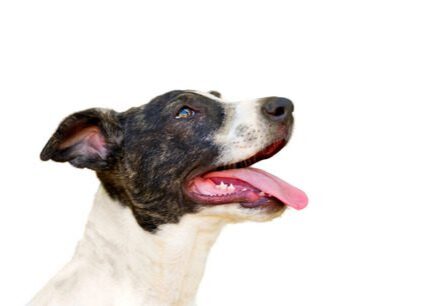
Have you ever wondered whether your dog’s panting is normal, or if it’s a sign that something could be wrong? Panting is a natural and essential mechanism for dogs to regulate their body temperature, but excessive or unusual panting can sometimes indicate an underlying health issue. At Cali’s Cottage Veterinary Hospital, we’re here to help you better understand when panting is typical and when it could be a cause for concern, so you’ll be able to make informed decisions for your pet’s health. Keep reading as we dive into the different reasons behind dog panting and how to recognize when to seek veterinary help.
Why Do Dogs Pant?
Before delving into when dog panting may be a cause for concern, it’s important to understand why dogs pant in the first place. Unlike humans, dogs don’t sweat to cool down. Instead, they rely on panting to regulate their body temperature. Panting helps dogs expel heat from their bodies and cool down when they get too warm. It also allows for the intake of fresh air, which aids in cooling the body through evaporation. Panting is most common during physical activity or in warmer temperatures, and it’s often accompanied by other signs such as drooling or an increased heart rate. However, if panting persists after exercise or exposure to heat, it could indicate a more serious issue that requires attention.
When Dog Panting is Normal
After Physical Activity or Play
If you’ve just taken your dog for a walk or played a game of fetch, it’s completely normal for your dog to pant. Dogs use panting to recover from physical exertion, allowing their bodies to cool down and return to normal temperature. This type of panting should subside within a few minutes after your dog has rested and cooled off. It’s important to offer your dog water during and after exercise to help rehydrate them.
In Warm or Hot Weather
On hot days, panting is your dog’s primary way to cool off. Dogs are more sensitive to heat than humans, and panting helps them regulate their body temperature and prevent overheating. If you’re in a warm climate like Huntington Beach, it’s especially important to monitor your dog’s behavior during the summer months. Be sure to provide access to shade and fresh water, and avoid excessive exercise in the heat to prevent heatstroke.
Stress or Anxiety
Panting can also occur when your dog is feeling stressed or anxious. Whether it’s due to separation anxiety, a trip to the vet, or a loud noise like a thunderstorm, dogs may pant as a coping mechanism. This type of panting may be accompanied by other signs of stress, such as whining, drooling, or pacing.
Excitement or Anticipation
Sometimes, dogs pant when they are excited or anticipating something enjoyable, such as a treat, a car ride, or time spent with their favorite person. Panting in this context is usually a sign that your dog is happy or eagerly anticipating something fun. The panting will usually stop once the excitement subsides.
When to Worry About Dog Panting
While panting is often harmless, there are times when it can signal a medical issue. If your dog’s panting seems excessive, persistent, or accompanied by other concerning symptoms, it’s time to investigate further. Below are some situations when panting could be a sign that something is wrong.
Heatstroke
Heatstroke is one of the most dangerous consequences of excessive panting. If your dog is panting heavily in hot conditions and seems unable to cool down, they could be suffering from heatstroke. Symptoms of heatstroke in dogs include excessive panting, drooling, vomiting, diarrhea, lethargy, and in severe cases, collapse. Heatstroke requires immediate veterinary care, as it can quickly become life-threatening.
Preventing Heatstroke in Dogs
To prevent heatstroke, it’s essential to limit your dog’s exposure to high temperatures. Always provide plenty of water and ensure your dog has access to a cool area during hot weather. Avoid walking your dog during peak heat hours, typically midday, and refrain from vigorous exercise on hot days.
Respiratory or Cardiac Problems
Panting that seems excessive or occurs at rest could be a sign of an underlying health issue, such as a respiratory or cardiac problem. Heart disease, lung disease, or other issues affecting the lungs can cause a dog to pant excessively in an effort to get enough oxygen. If you notice that your dog is panting even when they are not physically active or exposed to heat, it’s a good idea to consult your veterinarian.
Identifying Respiratory or Cardiac Issues
In addition to excessive panting, respiratory or cardiac problems may present with other signs, such as coughing, wheezing, labored breathing, or lethargy. If you notice these symptoms alongside unusual panting, contact your vet promptly for a thorough examination.
Pain or Injury
Dogs may pant when they are in pain or have suffered an injury. This type of panting often occurs alongside other signs of distress, such as limping, whimpering, or reluctance to move. If your dog has recently experienced a fall, accident, or injury, and their panting doesn’t seem to subside after resting, it could indicate pain that requires veterinary evaluation.
Managing Pain in Dogs
Pain relief for dogs depends on the underlying cause, and it’s crucial not to administer any human pain medications to your pet. A veterinarian will be able to assess the situation and recommend the appropriate course of treatment.
Cushing’s Disease
Cushing’s disease, or hyperadrenocorticism, is a condition in which the adrenal glands produce excessive amounts of cortisol. This can result in symptoms such as excessive panting, increased thirst, frequent urination, and a pot-bellied appearance. If your dog exhibits persistent panting along with these symptoms, your veterinarian may recommend tests to check for Cushing’s disease.
What to Expect During Diagnosis and Treatment
Diagnosing Cushing’s disease involves blood tests, urine tests, and imaging studies to assess the adrenal glands. If your dog is diagnosed with the condition, treatment options may include medication or surgery, depending on the severity of the disease.
Obesity
Overweight dogs are more prone to excessive panting due to the strain placed on their body. Excess weight can interfere with a dog’s ability to regulate their temperature, leading to more frequent panting, especially during physical activity. If your dog is carrying extra weight, it’s important to work with your veterinarian to develop a weight management plan.
Helping Your Dog Achieve a Healthy Weight
Weight loss in dogs typically involves a combination of dietary changes and increased exercise. Your veterinarian can help you choose the right food and develop an exercise routine that will be safe and effective for your pet.
What to Do if You’re Concerned About Your Dog’s Panting
If you’ve noticed any concerning changes in your dog’s panting habits, don’t hesitate to reach out to your veterinarian. While some panting is entirely normal, excessive or persistent panting should always be investigated to ensure your dog’s health is not at risk. At Cali’s Cottage Veterinary Hospital in Huntington Beach, we are here to help you understand your dog’s health and provide guidance on managing any concerns that may arise. Whether your dog is panting due to heat, anxiety, or a medical condition, our team is ready to help. Call us at (714) 846-1378 or book an appointment online today. We’re here to make sure your dog stays healthy and happy.
About Us
At Cali’s Cottage Veterinary Hospital in Huntington Beach, CA, we offer warm, personalized care that feels more like visiting a friend than a trip to the vet. From routine checkups to more emotional moments, our team is here to listen, support, and celebrate every step of your pet’s journey with you.