

Why Does My Dog Have Bad Breath and How to Get Rid of it
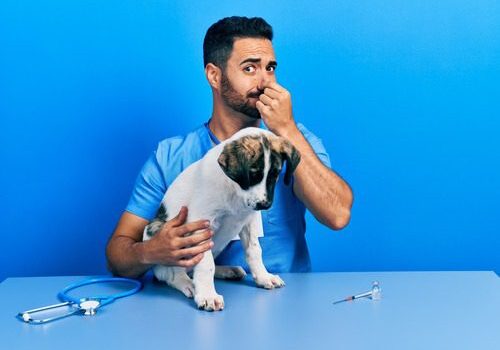
Is your dog’s breath leaving you holding your nose? While a little doggy breath is normal, persistent bad breath can be a sign that something more serious is going on. Whether it’s due to poor dental hygiene or an underlying health issue, tackling bad breath is essential to keeping your dog happy and healthy. Below, we’ll dive into the causes of bad breath in dogs, share expert tips on how to get rid of it, and give you the tools to maintain your pet’s oral health for years to come.
What Causes Bad Breath in Dogs?
Bad breath, or halitosis, in dogs is often a sign that something isn’t quite right in their mouth. While there can be a variety of factors contributing to bad breath in dogs, the most common cause is poor dental hygiene. Let’s dive deeper into the primary reasons why your dog may have bad breath.
Poor Oral Hygiene and Dental Disease
Just like humans, dogs need regular brushing to keep their teeth and gums healthy. Without routine dental care, plaque and tartar can build up on your dog’s teeth, leading to bad breath. Over time, this buildup can lead to gum disease, which is another significant contributor to bad breath. The bacteria that form in the mouth as a result of these dental issues produce foul-smelling compounds, causing your dog’s breath to become unpleasant.
Diet and Food Choices
What your dog eats can play a significant role in the way their breath smells. If your dog has a diet that is rich in protein or specific ingredients, it may cause their breath to become more pungent. Additionally, dogs that eat table scraps or certain human foods may experience digestive issues that contribute to bad breath. The breakdown of food particles in the stomach and intestines can lead to odors that find their way into your dog’s mouth.
Health Problems Beyond the Mouth
In some cases, bad breath in dogs can be a sign of an underlying health condition. Kidney disease, diabetes, and gastrointestinal issues are just a few examples of conditions that can cause bad breath. For instance, dogs with diabetes may develop a fruity-smelling breath due to high blood sugar levels. Similarly, kidney problems can result in a urine-like odor due to toxins in the bloodstream.
Gum Disease and Infections
Gum disease (periodontal disease) is one of the most common causes of bad breath in dogs. It can develop when plaque builds up on the teeth, leading to inflammation and infection of the gums. If left untreated, the infection can spread to the underlying bone structure and result in tooth loss. Along with foul-smelling breath, gum disease can cause your dog pain while eating or chewing.
How Can You Get Rid of Your Dog’s Bad Breath?
The good news is that bad breath in dogs is treatable, and many of the underlying causes can be managed with proper care. However, brushing, dental chews, water additives, and other at-home care only reduces tartar build up. Only manual removal with a professional dental cleaning will eliminate tartar.
Regular Brushing and Oral Care
While it might take some time for your dog to get used to the process, brushing their teeth at least a few times a week can help remove plaque and prevent the buildup of tartar. Use a toothbrush and toothpaste designed specifically for dogs to avoid harming their teeth or stomach. In addition to brushing, consider using dental chews, oral rinses, or water additives that help reduce plaque and freshen your dog’s breath. These products are designed to be safe for pets and can make a noticeable difference in their oral health and breath quality. Once dental disease progresses beyond gingivitis, brushing and non-anesthetic cleanings can cause pain and offer no benefit. At this stage, an anesthetic dental cleaning with extractions and cleaning below the gum line is necessary. Consistent home care afterward is imperative to help reduce tartar buildup between cleanings.
Choosing the Right Diet
Diet plays a crucial role in your dog’s overall health, including their breath. Choosing a high-quality dog food that’s rich in nutrients can help maintain your dog’s digestive health and prevent the buildup of bad-smelling gases in their stomach. Some dog foods are also specially formulated to promote oral health by reducing plaque and tartar buildup. If your dog’s bad breath persists despite dietary changes, consult your veterinarian about switching to a different food that may better suit their needs. You may also want to avoid feeding them human foods, especially those that are high in sugar or fat, as these can exacerbate bad breath.
Regular Veterinary Checkups
As humans, we don’t wait until we have a painful tooth to get our teeth cleaned. Instead, we schedule routine cleanings to maximize our oral health and prevent problems like dental disease from progressing to the point of needing an extraction. Our pets should be no different. Your veterinarian can help detect early signs of dental disease, gum infections, or other health issues that might be contributing to bad breath. Professional cleanings, performed under anesthesia, can remove plaque and tartar that cannot be addressed with brushing alone. Additionally, if your dog’s bad breath is caused by an underlying health issue, your veterinarian will be able to diagnose and treat it appropriately.
Chew Toys and Treats for Oral Health
Chewing is a natural behavior for dogs, and providing safe chew toys can help improve their dental health. Chew toys not only satisfy your dog’s need to chew but also help scrape away food particles and plaque from their teeth. There are many Veterinary Oral Health Council approved products available that are designed to help keep your dog’s mouth clean while satisfying their chewing instincts. If people did not do anything with our teeth between cleanings of course there would be plaque and tartar build up soon after the initial cleaning! Home care is crucial for our oral health and for our pets’.
Hydration and Fresh Water
Ensuring that your dog stays hydrated can also help prevent bad breath. Dehydration can lead to dry mouth, which allows bacteria to thrive and cause unpleasant odors. Always make sure your dog has access to fresh, clean water throughout the day. Some dogs enjoy drinking from water fountains, which can encourage them to drink more and help keep their mouths fresh.
When Should You Be Concerned About Your Dog’s Bad Breath?
In many cases, bad breath in dogs can be managed with regular oral care and a healthy diet. However, there are times when bad breath may indicate a more serious health issue that requires veterinary attention. If your dog’s breath has a particularly foul odor that doesn’t improve with regular brushing, or if they exhibit other signs of illness such as vomiting, excessive thirst, or weight loss, it’s important to schedule a visit to your vet. These could be signs of a more serious condition, such as kidney disease or diabetes, that requires medical intervention.
Healthy Habits for a Fresh Dog’s Mouth
Keeping your dog’s mouth fresh and healthy involves more than just tackling bad breath. Establishing good oral care habits early on can help prevent issues from developing in the first place.
- Start dental care early: It’s easier to maintain a dog’s teeth than to fix serious dental problems later on. Introduce tooth brushing and dental products at a young age to help them get accustomed to it.
- Choose high-quality dental treats: Look for dental chews or treats that are designed to support oral health and freshen breath.
- Schedule routine veterinary checkups: Keep up with regular visits to your vet for dog teeth cleaning at Cali’s Cottage Veterinary Hospital to catch any oral health problems early.
- Provide appropriate chew toys: Select safe chew toys that help clean your dog’s teeth and satisfy their natural chewing instincts.
If you’ve noticed bad breath in your dog or if you’re simply due for a checkup, contact Cali’s Cottage Veterinary Hospital at (714) 846-1378 or book an appointment online. Our expert team is here to ensure your dog’s dental health is in great shape, and we’ll help you maintain their well-being with personalized care and advice.
About Us
At Cali’s Cottage Veterinary Hospital in Huntington Beach, CA, we offer warm, personalized care that feels more like visiting a friend than a trip to the vet. From routine checkups to more emotional moments, our team is here to listen, support, and celebrate every step of your pet’s journey with you.